HUMAN ACT ANALYTICS
Analyzing the acts behind a result
Results get recorded. The acts that produced them do not. We built Human Act Analytics to look at the other half: how decisions are made, who takes the initiative, who carries the cost, and whether the way of working behind a result can happen again.
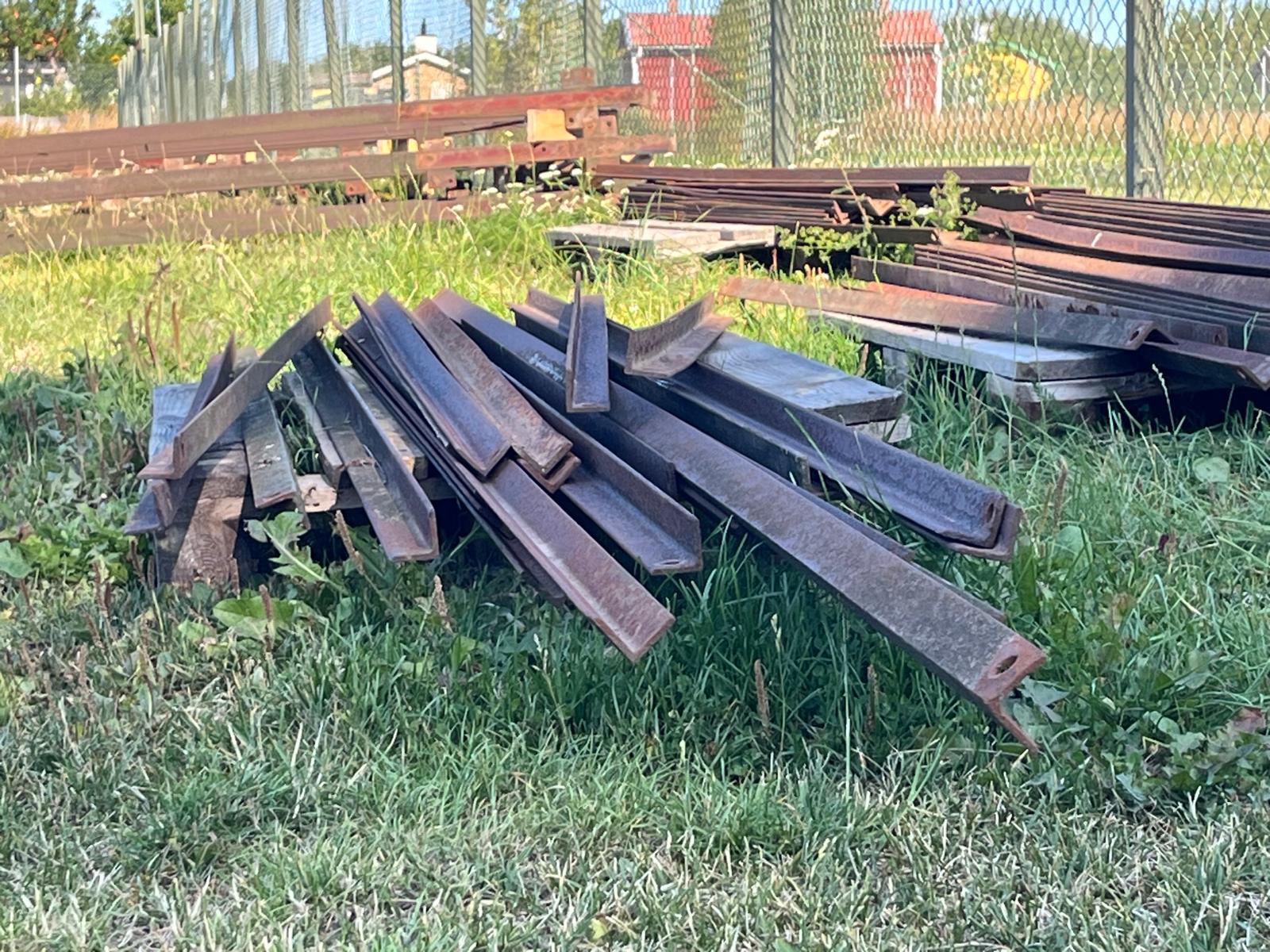
The material is there. What happens next depends on what people do.
Why acts?
Most analysis measures outcomes: materials, emissions, incidents, deliveries. Outcomes, though, come out of what people do. Someone decides, someone offers, someone agrees to take the risk. Two organizations can reach the same result through entirely different acts and end up in entirely different positions next time.
The act as the unit of analysis
We take the single act as the smallest thing worth analyzing, and ask how it came about, how initiative and control were shared, and how much room the person had to act at all. That separates results driven by requirements from results that were possible within a given set of constraints, and both of those from results that came from someone's own initiative. It also separates how much an act mattered from how free it was. A routine act performed without a second thought can set the terms for everyone downstream, while an act of real initiative may change nothing beyond itself.
What makes a practice last?
An act that rests on one person tends to leave with that person. Give the same act a place in a contract, a budget line, a role, or a working relationship, and the odds of it happening again change. So we follow what people do, and what holds the act up once they stop doing it.
Where acts break down
Initiative, control, cost, risk, and benefit rarely sit in the same place. The person who sees the opening does not own the decision. The budget that pays is not the budget that gains. A choice made in week one shows its consequences three years later. An act crosses a boundary between organizations and finds no one on the other side with the mandate to continue it. Follow the acts, and these gaps stop being vague friction. They become specific and locatable.
Acts over time
An act does not stop working when it is finished. It stays in what people know, in who trusts whom, in routines and in structures, and it shapes what can be done next. So we read acts as part of a sequence: a situation makes an act possible, the act has consequences, a new situation forms. Measurement belongs to the same sequence. What gets measured gets interpreted, and the interpretation feeds the next act.
An example
A municipal construction project salvaged facade bricks from demolition. It worked, but only because the demolition contractor included careful dismantling in a tender where no one had asked for it, because one property manager arranged transport and storage, and because another property manager let the material into a project of their own. The result looked good. The cost sat with demolition while the benefit went to the receiving project, and every step rested on individual initiative and goodwill. That made it possible once, not twice.
What the analysis brings out
Read the case act by act, and things surface that no outcome measure will show.
The most decisive act was the most routine one.
The tender followed a standard template, written without deliberation. It still set the terms for everyone who came after: with careful dismantling missing from the specification, saving the material came down to someone offering it for free. Attention tends to go to the exceptional acts. We look at the routine ones.
Someone had to act towards a future nobody guaranteed.
Dismantling and receiving belong together. Material cannot be received unless it has first been taken down carefully, and it has to come down before any recipient exists. With nothing securing the receiving end in advance, only trust carries the first act. That is what a reuse depot changes. It does not do the work itself; it guarantees the other end, so the first act no longer needs a personal promise.
Some acts leave capacity behind; others use themselves up.
Most of what happened in that project ended with it. What carried on was the experience, and it carried on in people other than those who produced it. Whether acts that build capacity in someone else recur more often than acts that complete themselves is a question we can now put to more cases.
An act can be stripped of time.
In renovation, fittings in good condition get replaced along with the rest, because it is simpler to organize and avoids an internal argument about who gets what. That decision has no past, meaning the condition and history of the material, and no future, meaning its remaining life and residual value. Naming it that way beats calling it arbitrary, because it points at what is missing instead of at who is to blame.
One framework, several applications.
Human Act Analytics is the analytical layer in Human Act Informatics. The same way of reading acts pairs with whatever outcome measure the context calls for, from material flows and circularity to organizational work.
