YOGAMETRICS
Can you measure a yoga practice on its own terms?
YogaMetrics is a method for measuring yoga practice across body, breath, and mind. Rather than comparing a session to a set standard, it reads the practice in relation to your original intention and personal history.
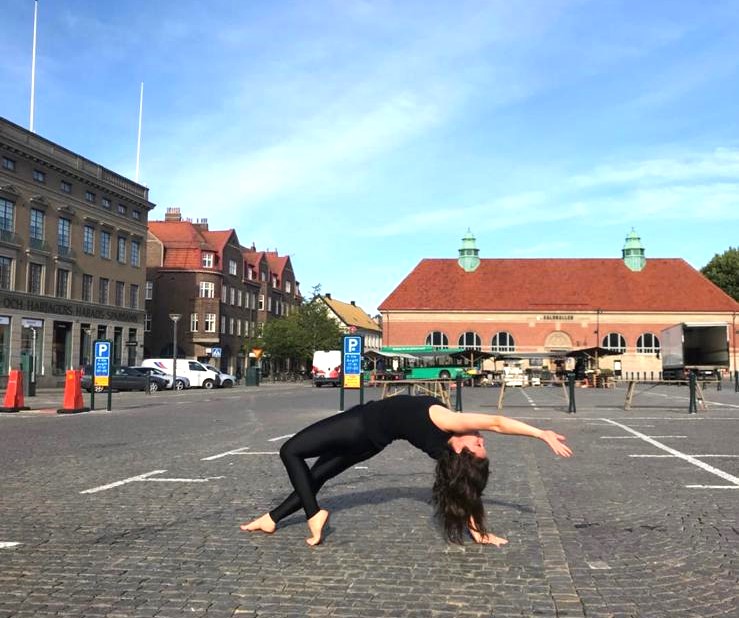
The same practice can be a different human act, depending on the intention behind it.
THE IDEA
You establish the intention and the method supports it
YogaMetrics begins by focusing on the purpose of the practice; a session is considered in terms of your intention, the practice itself, and your past experience over time rather than being compared with an external ideal.
THE MEASURE
One practice has three layers
Body · Breath · Mind
YogaMetrics examines a practice from three interconnected dimensions and keeps all three of them visible in the results, which allows the character of a session to be seen without reducing the practice to a single score.
THE DIFFERENCE
A pattern, not a judgement
One session can be physically demanding while another can be quiet and reflective. Neither of them is inherently better. YogaMetrics examines the way a practice develops over time in relation to the practitioner's own intentions.
THE METHOD
Built to be reproducible
YogaMetrics combines biomechanics, structured practice data, and measurement over time. Each result traces back to its underlying inputs, so the same practice under the same conditions produces the same result.
RESEARCH & DEVELOPMENT
An ongoing research project
YogaMetrics is a research and development initiative carried out by Human Act Informatics, based on Cybernetics 3.0, a method for assessing human acts by referring to their structure rather than their result. Yoga provides a particularly clear example of this approach since two sessions can have the same physical output yet be completely different acts, the difference being due to the intention behind them. The discrepancy between output and act is difficult to observe elsewhere but is immediately apparent in practice. Although the measurement framework and the underlying data model have already been established, further research is being carried out into how the method evolves during practice and recovery and in relation to physiological data.
